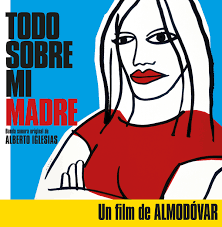
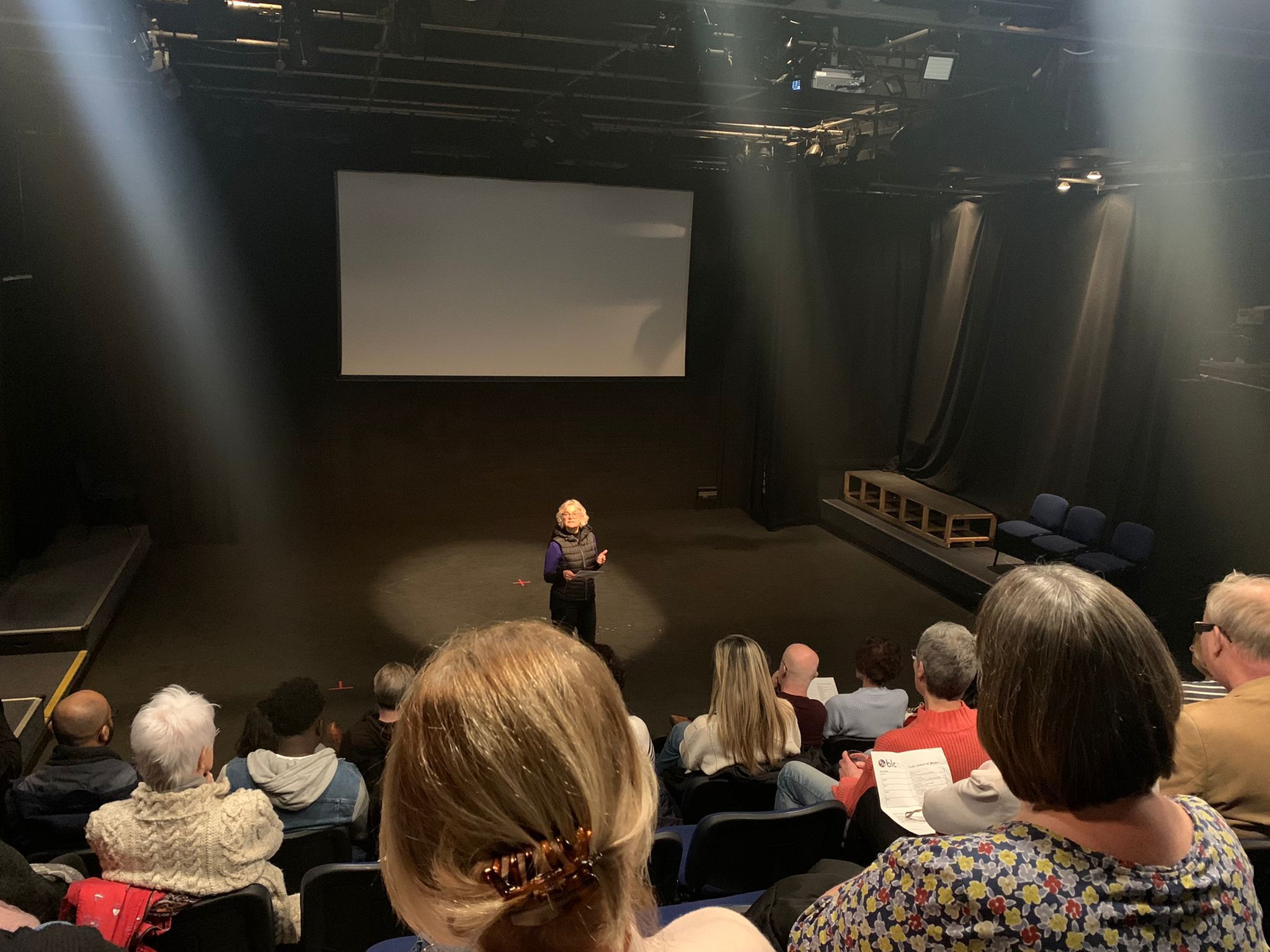
Watching films is a great way to learn about a country and a language. A group of our students got together to watch the film Todo sobre mi madre directed by Almodóvar. It was a very social evening, it gave us the opportunity to meet and have a drink. Before the film we did activities to know about the plot and the characters. A day after the film we had a get together to talk about the film. Many thanks to all the students and tutors who attended the screening. Many thanks to @theplacebedford and the Young Film Programmers for inviting us. Everyone enjoyed the outing and the film. Gracias.
As lessons have finished for 2021 we would like to wish tutors, students and friends all the best over the festive break.
Bedford Language Centre is back in the New Year with new language courses, cultural activities and social get togethers when possible. Many thanks for your support and see you in class in January.
Hope you and your families are doing well in these uncertain times. We are approaching Christmas and we would like to invite you to our pre Christmas celebrations.
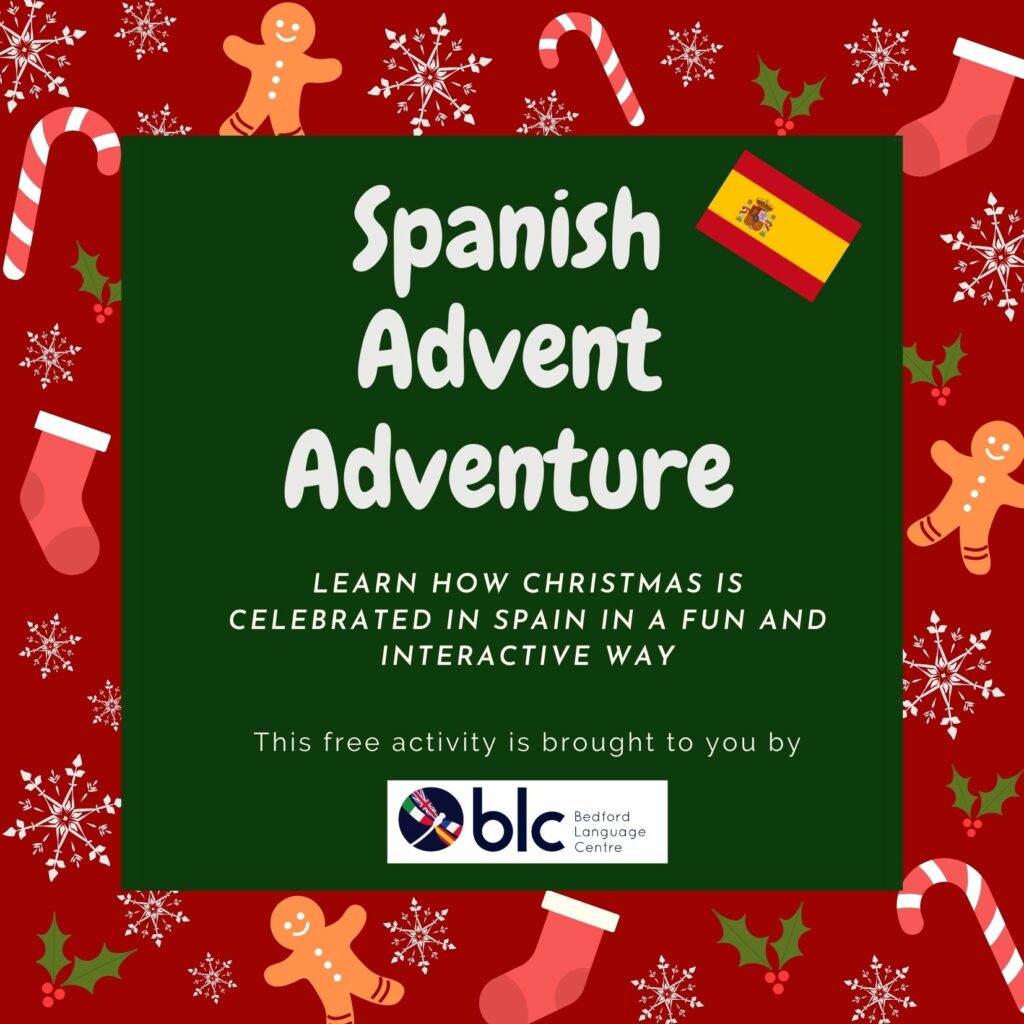
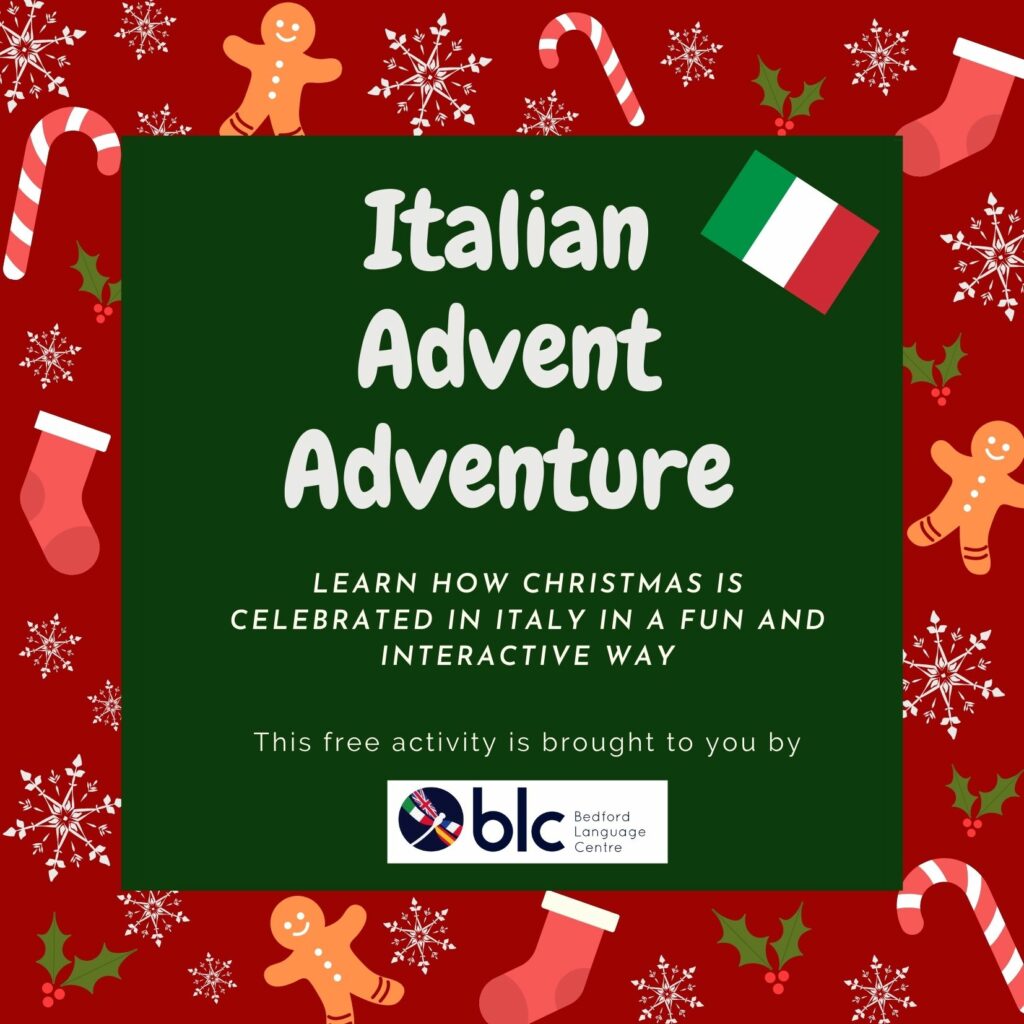
Please join and enjoy our Advent Calendar Adventure.
Each day we will open a new window on our learning.
Each day we will have a little activity to get us into the Christmas spirit.
If you would like to join in the Advent Calendar Experience, please follow the link.
Hope you all had a nice break. Life is very different from what we were used to and our last term of the school year 2019-2020 finished without the traditional celebrations, multicultural dinner, paella rally…
I am so pleased with how everyone adapted to lessons online back in March and how students are asking for more online provision that suits them at any location.
This summer new activities were on offer. Alessandra took us on a tour of Italy, with culture, history and real Italian cooking.
With Elena a few “peregrinos” did the camino challenge where walks and cultural challenges were added weekly. The feedback has been fantastic, therefore we are looking into our next cultural activities. Backstage tutors are preparing cultural activities to add to our weekly provision.
The new normal has brought a new dimension to our little language centre and our students are learning languages and culture as well as technology. I know, sometimes it is a very challenging combination but we are here to learn together and to support each other at good times and bad.
This Autumn will be challenging as the days will draw in and everyone will stay at home as much as possible but tutors as much as students will be looking forward to our weekly meeting.
If you have not booked, please follow the link to do it. If you have done it, thank you very much.
We are offering new courses for total beginners… Do you know anyone interested? Please pass our contact around!
We will contact you next week confirming your course, etc….
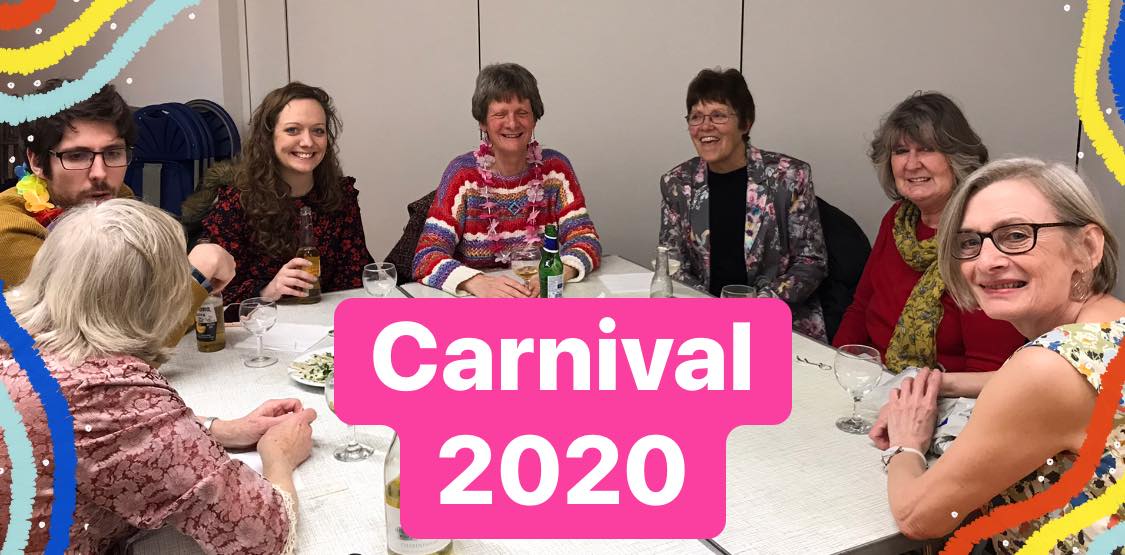
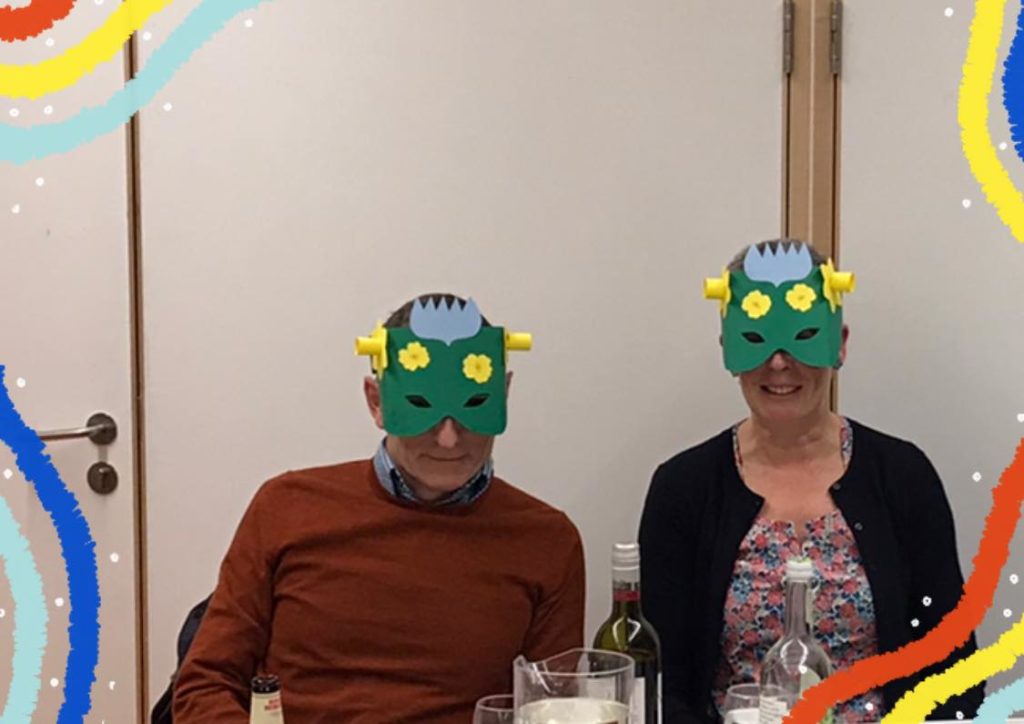
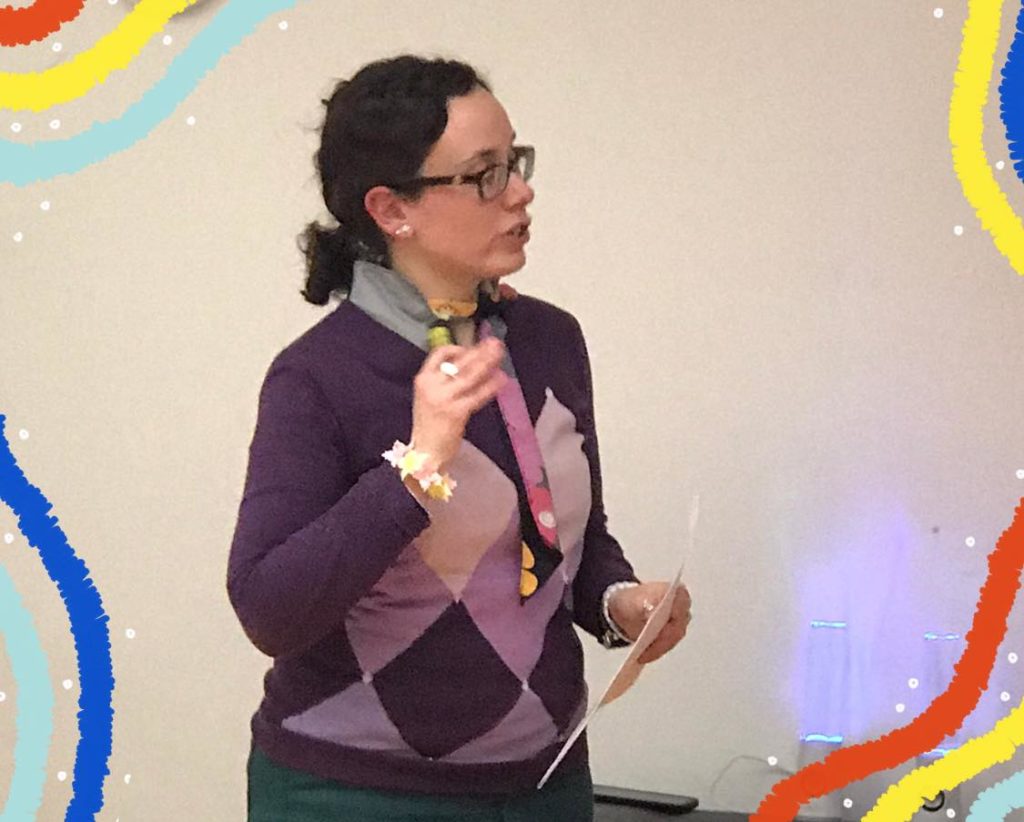
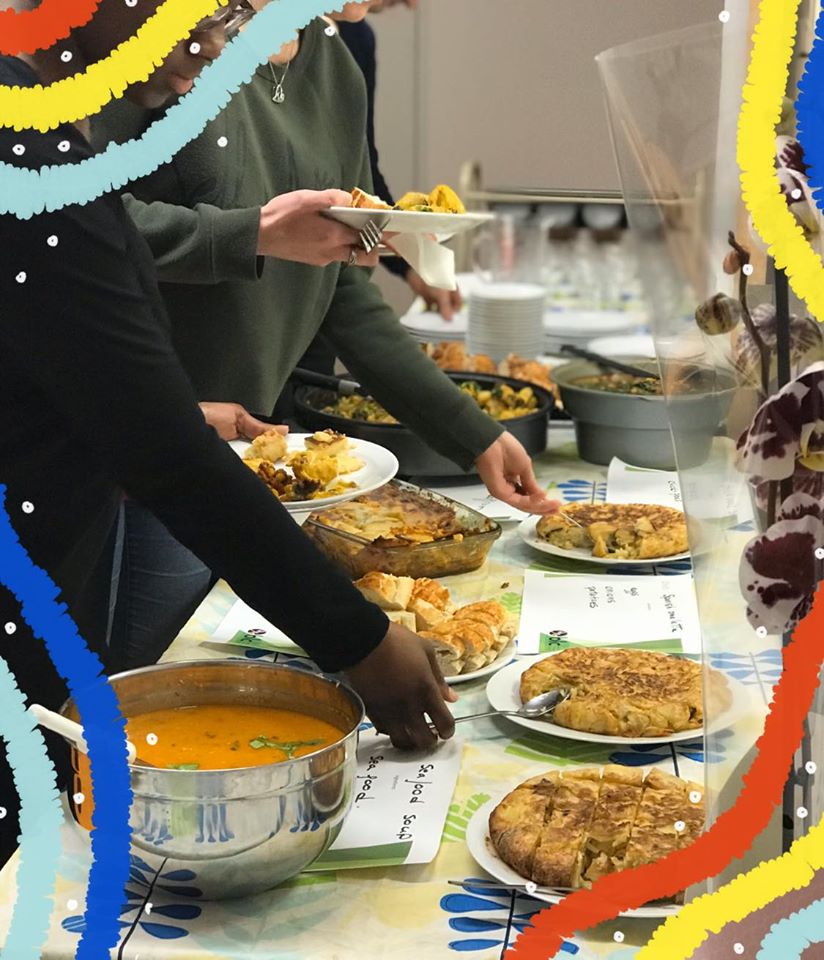
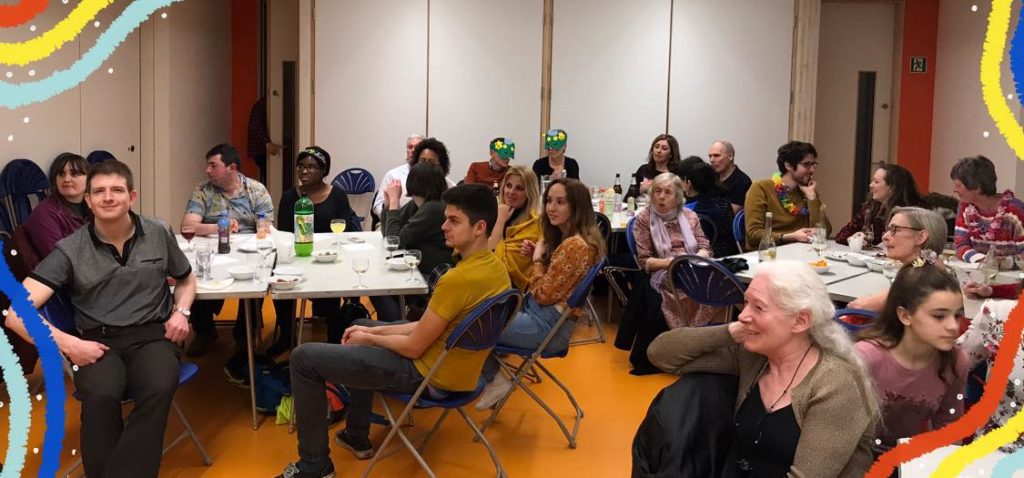
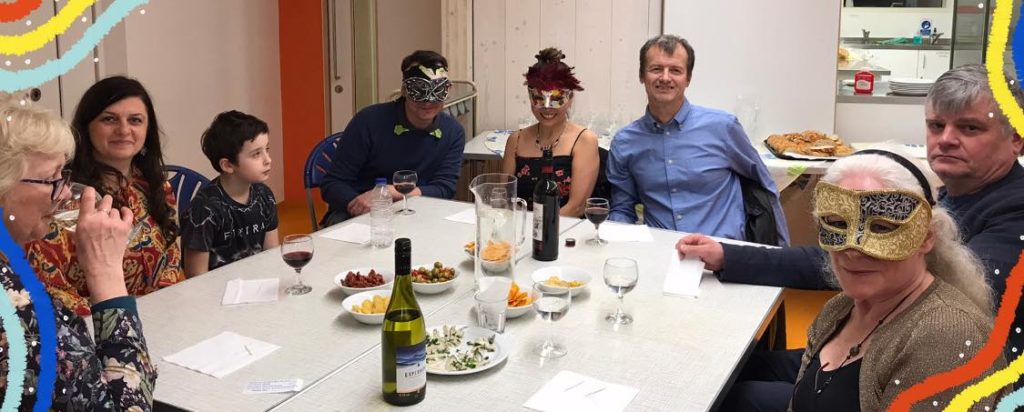
It has been the first time Bedford Language Centre has covered this topic. Carnival, the time of the year to party before lent, is well celebrated in a lot of countries in Europe. In Germany it is celebrated wherever the Catholic faith is kept . The Nice carnival in France lasts for 3 weeks. In Italy each mask is linked to a town. In mainland Spain the Cadiz carnival has been going for centuries. Without doubt the best known Carnivals in Europe are Venezia in Italy and Santa Cruz de Tererife, the biggest after Rio in the world. Alessandra gave us a very interested presentation. We also learned about different dishes in different cities and of course we had a great time and sampled delicious food. Can’t wait for the next year! Thank you to everyone who helped on the day and to everyone who wore flowers and masks.
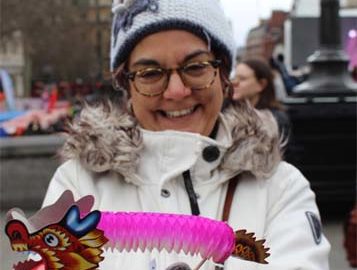
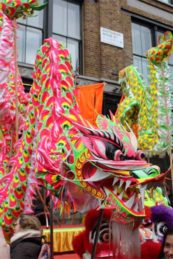
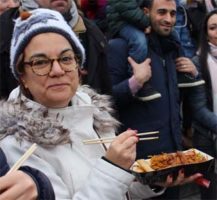
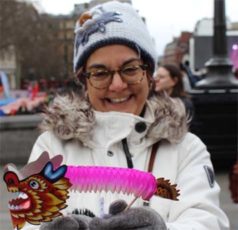
Bedford Language Centre, as supporters of learning Chinese and the culture went along to London to see the festivities. We got to see the parade from Trafalgar Square to Shaftsbury Avenue.
Later there were Lion and Dragon dances in Trafalgar Square.
Everything started a year ago…While we were in one of our enrichment activities in Spain our group of students asked for flamenco lessons back in Bedford!
Sevillanas workshop in Madrid June 2014
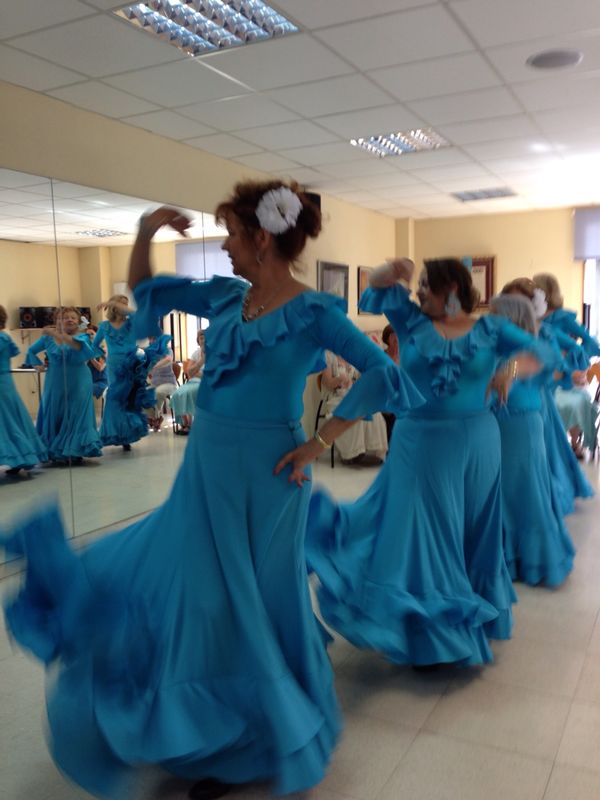
Back home we contacted Claire, La Fresa Flamenca, and since then two groups of students have learnt this type of Spanish dance.
Last Saturday night, as a grand finale we offered a “ palma”workshop with tapas and paella. In this workshop we learnt different Spanish rhythms and after that we all danced sevillanas, that is a dance from Seville, in the South of Spain.
We had Timothy Pearson, our guitarist, and Claire Astbury, our flamenco teacher. Everyone had a fantastic time!
Welcome to the Bedford Language Centre blog.
With a scrunching sound of wrapping paper and clinking of glasses as background noise it is time to start blogging, it is time to welcome you to this blog and it is time to look at what we have done in our first few steps of this new venture.
It was only September the Bedford Language Centre was created as an international culture and language hub in Bedford.
We had a launch party in a Mediterranean style, with tapas and wine! As we do not understand the learning of a language without the explosion to the culture this is how we started.
We were lucky as one of our press release was produced in Bedfordshire on Sunday. Thanks for that!
We would like to fulfil the lack of provision of languages in Bedfordshire area and we would like to inform you about what is on in our region regarding culture, arts, promotions, not only in English but in other languages to celebrate the richness of our area. This is the reason we set up a Meetup account, and so far we have nearly a 100 followers! Some of the events are organised by our people, other ones, we just promote them.
In all this time we have managed to achieve quite a lot. But… what is new for the New Year?
Our New Year resolution list is a never ending one and it is because our creative group has great ideas, even when some of them will take a while to materialise. Thank you team for all your continuous support!! If, out there, there is someone who would like to join us, please contact us. We are a bunch who would love to give the people of Bedford area another choice of entertainment, learning and leisure! Thank you.
Please, find a list of workshops we ran from September to December.




 Welcome to our new school year 2020-2021!